
Solar Deck Lights vs. Low-Voltage Wired Lighting: Seasonal Maintenance and Performance Comparison
Solar deck lights vs hardwired deck lights in winter is a maintenance and performance split, not a cost spreadsheet. Solar needs a clear panel and 4-5 hours of sun so 6-8 hour nights stay possible. Low-voltage wired lighting still needs a live transformer, dry-enough boxes, and a circuit that does not trip. Snow on a solar cell dims the stair. Ice in a wired box kills the run. Choose the winter chore you would rather do.
Winter performance is sun versus grid, not color
Both paths can put warm markers on stairs. Solar color here is warm white that is not dazzling, which still helps night strolling in January. Hardwired low-voltage lighting can be warm too. The winter difference is where energy comes from after a short day.
Solar runtime of 6-8 hours assumes a completed 4-5 hour charge. December sun may not finish that window on a shaded riser. The light still turns on at dusk and off at dawn; it simply has less stored. That is seasonal performance, not a broken dusk-to-dawn sensor.
Wired lighting does not care that the sun set at 4:30 p.m. It cares that the transformer is powered and the cable did not take on water. Performance stays even on cloudy weeks and drops to zero on a tripped GFCI. Evenness is the wired winter advantage. Independence from the panel is the solar winter trade.
Seasonal maintenance is a different punch list
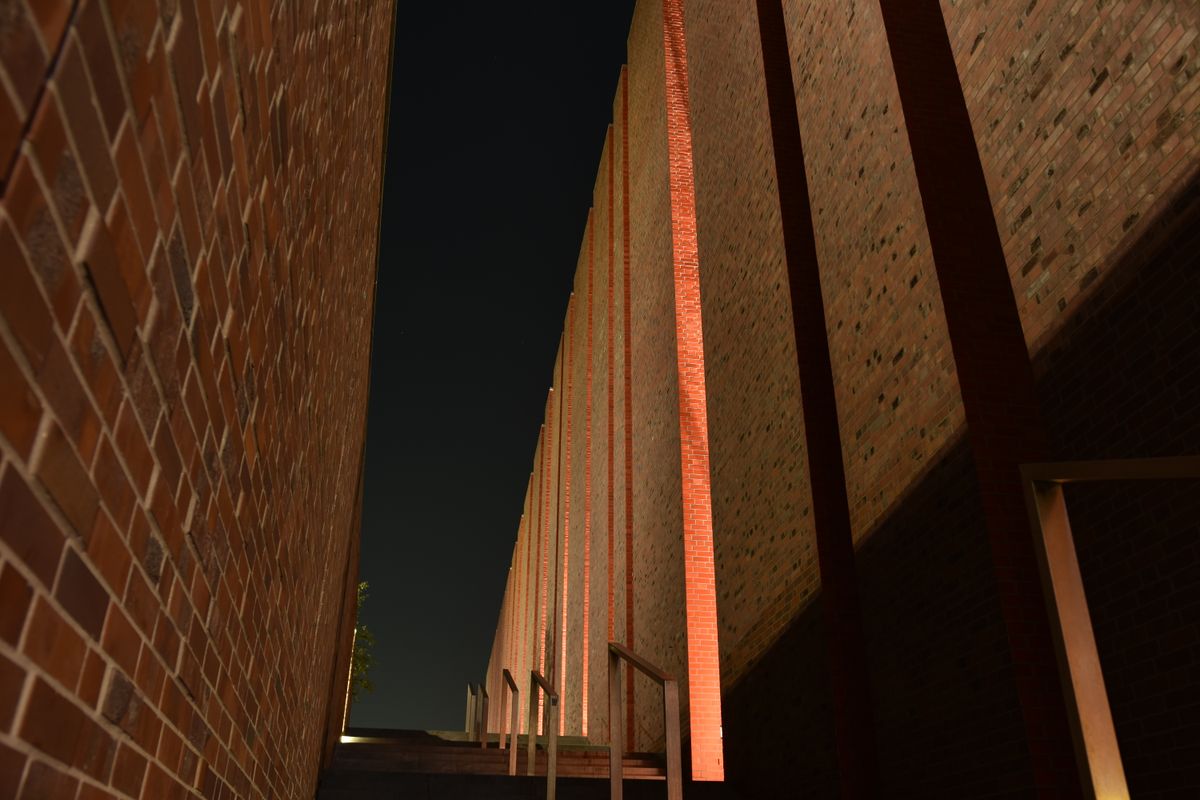
Photo by Bruno Krajski on Pexels
Solar winter care is a brush and a wipe. Snow on the panel blocks charging. Pollen in spring does the same. ABS plastic is built not to deform easily in wind, snow, or rain, so the body can stay on the rail. The chore is the cell, plus a snug on screws or a check of 3M adhesive after freeze-thaw.
Wired winter care is electrical. Transformers sit outside or in damp garages. Low-voltage cable under boards can sit in meltwater. Photocells ice over. A service call in January is a different burden than a two-minute snow brush.
Neither path melts ice on the tread. Lighting only marks the edge. Grit and a shovel still do the footing work. Do not pick a lighting system as a de-icer.
Winter chores: solar deck lights vs low-voltage wired
| Winter job | Solar deck / stair lights | Hardwired low-voltage | | --- | --- | --- | | After snowfall | Brush the panel | Check photocells and boxes | | Short days | Thinner 6-8 hour bank if charge is short | Runtime follows the switch or photocell | | Power source | 4-5 hour sun charge on the fixture | Household circuit plus transformer | | Housing in snow | ABS stays outdoors | Fixtures plus wet-location boxes | | Typical failure | Covered or shaded cell | Tripped GFCI or wet transformer | | Add a landing in January | One more self-charged unit | Extend cable in frozen soil or boards |
Who should pick which winter path
Pick solar when there is no cable, when an electrician in freeze season is unwelcome, and when at least some planes see midday sky. Pull the insulator tab, charge 4-5 hours when the sun appears, and accept that cloudy weeks run shorter.
Pick wired when the stair is in deep winter shade all day, when even runtime every night is the safety rule, and when a transformer already exists. Do not install a new trench in frozen ground just to win a comparison table.
A mixed deck is normal. Keep working wired treads. Put solar on the rail, path, or rental stair that never got wire. Winter then means brushing some panels and ignoring the circuit that already behaves.
Winter comparison checklist
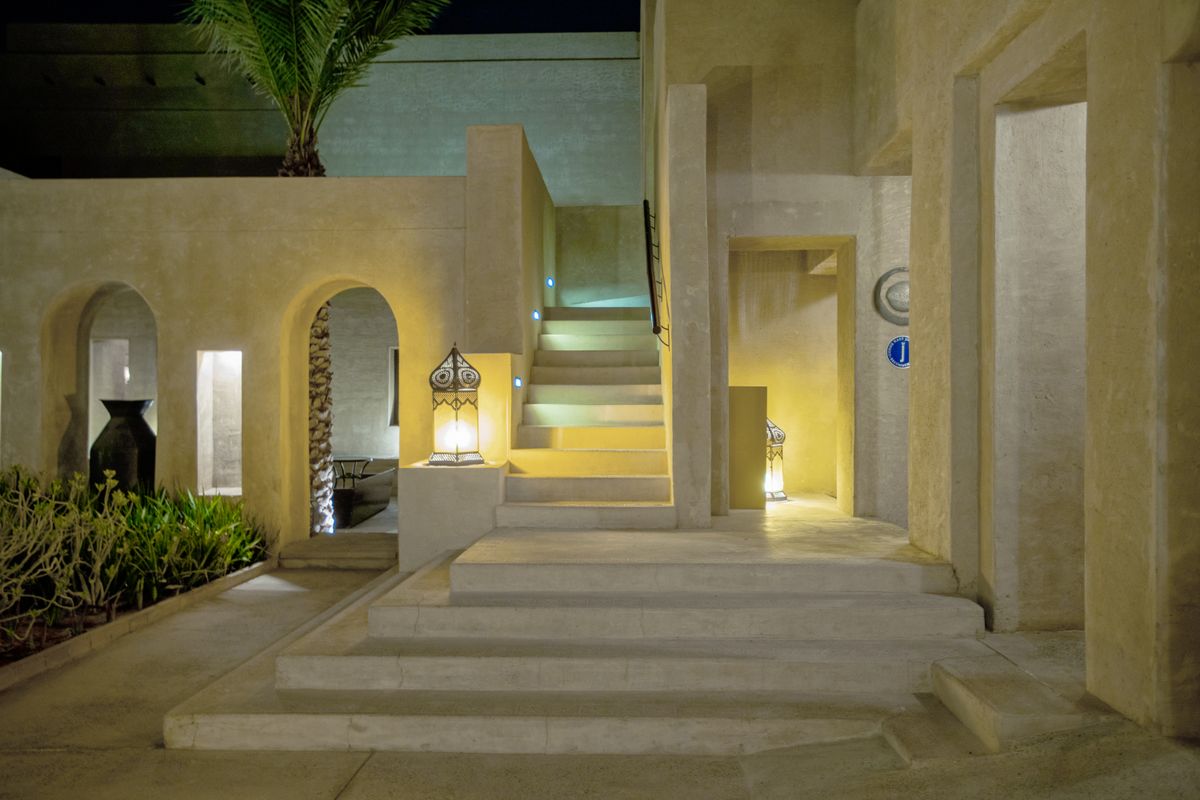
Photo by Denys Gromov on Pexels
- Map which stairs see midday sun in December, not in June.
- List existing transformers and circuits before adding cable.
- Treat snow on a solar panel as a charge chore.
- Treat a tripped GFCI as a wired winter failure.
- Leave working wired lights; add solar only on dark planes.
- Do not use either system as ice melt.
- Confirm insulator tabs are out before blaming winter sun.
Frequently asked questions
Do solar deck lights work in winter at all?
Yes, if the panel can finish a 4-5 hour charge. Runtime may be shorter than 6-8 hours after cloudy or short days. Brush snow off the cell.
Is hardwired lighting more reliable in January?
It is more even if the circuit stays live. It is not maintenance-free. Transformers, wet boxes, and GFCIs are the winter failure mode.
Does ABS solar housing need to come inside?
No. It is built for snow, rain, and wind. Taking it inside only darkens the stair you still use.
Can both systems sit on the same deck in winter?
Yes. Leave paid-for wired treads. Use solar on rails and paths that never got cable.
Is this the same as a total-cost comparison?
No. This page is seasonal chores and night performance. Install dollars belong on a cost-breakdown page.
Related reading
These published guides cover year-round solar versus hardwired choice and weather so this page can stay on winter chores.
- solar versus hardwired deck lights on cost, safety, and choice
- solar versus hardwired step lights for deck stairs
- durability audit for solar powered deck lights
- railing and step lighting FAQ on weatherproofing
What to do next
Walk the deck at midday in the current season and mark which stairs see sun and which already have cable. Brush snow off solar panels you will keep. Leave working wired runs. For dark, unwired planes with sky, pull insulator tabs, charge 4-5 hours, and mount warm white solar deck lights before the next freeze.
Cover photo by ROMAN ODINTSOV on Pexels.