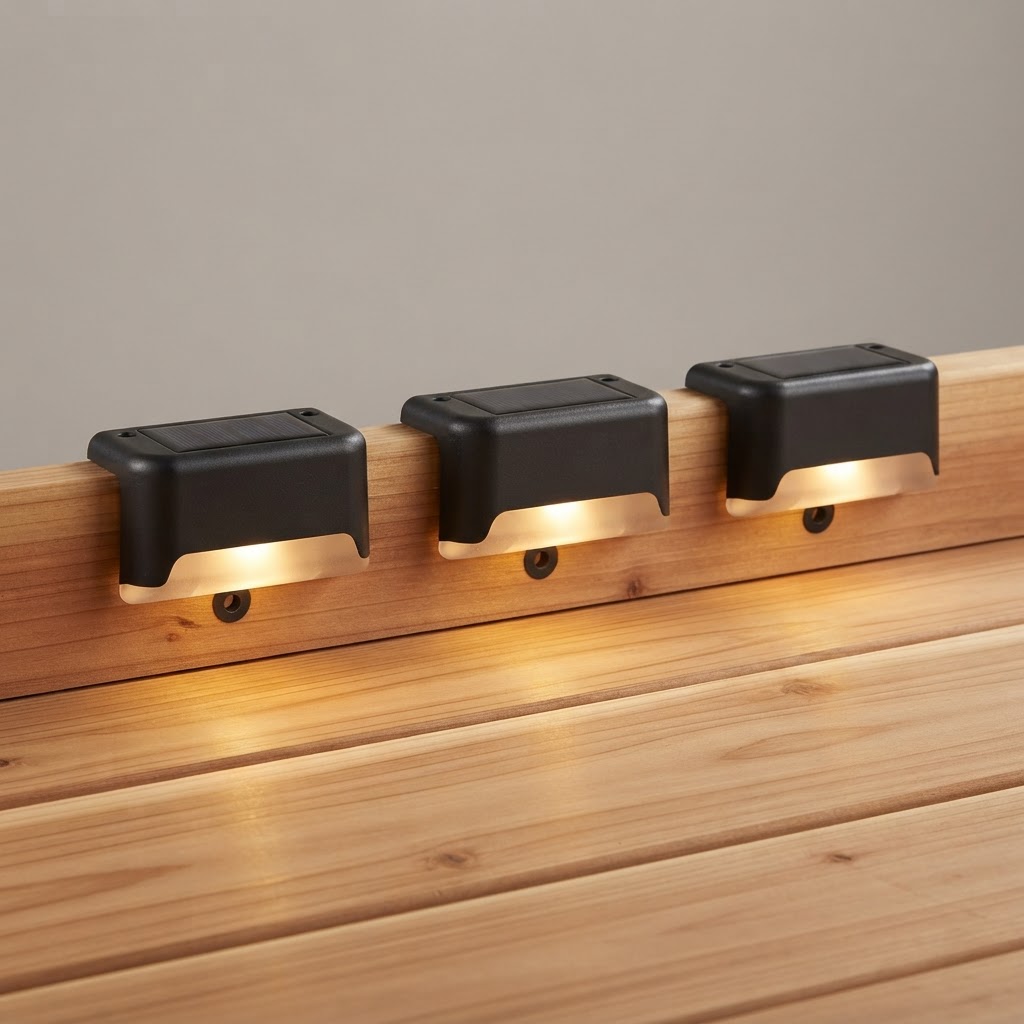
Solar vs. Hardwired Step Lights: Which is Best for Your Deck?
Solar vs. Hardwired Step Lights: Which is Best for Your Deck?
Illuminating outdoor steps is essential for nighttime safety, but choosing between hardwired low-voltage lighting and solar-powered fixtures depends on your budget, DIY skills, and installation preferences.
Installation Effort and Wiring Requirements
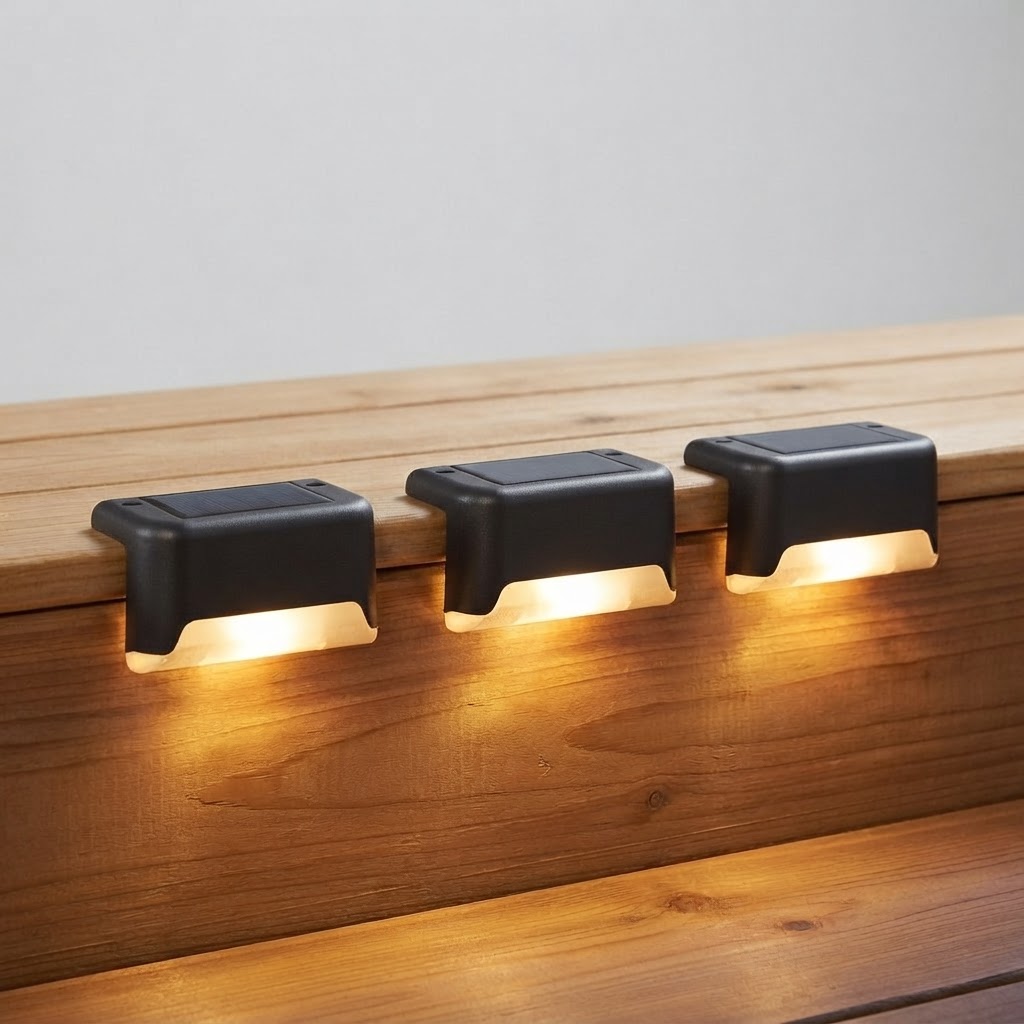
Hardwired systems require running electrical cable under deck boards, installing a low-voltage transformer, and often drilling large holes into structural posts. In contrast, wireless solar fixtures mount directly onto flat surfaces or vertical risers using basic screws or 3M adhesive strips. As detailed in the main guide, drill-free solar setup takes just minutes per step.
Operating Costs and Energy Efficiency
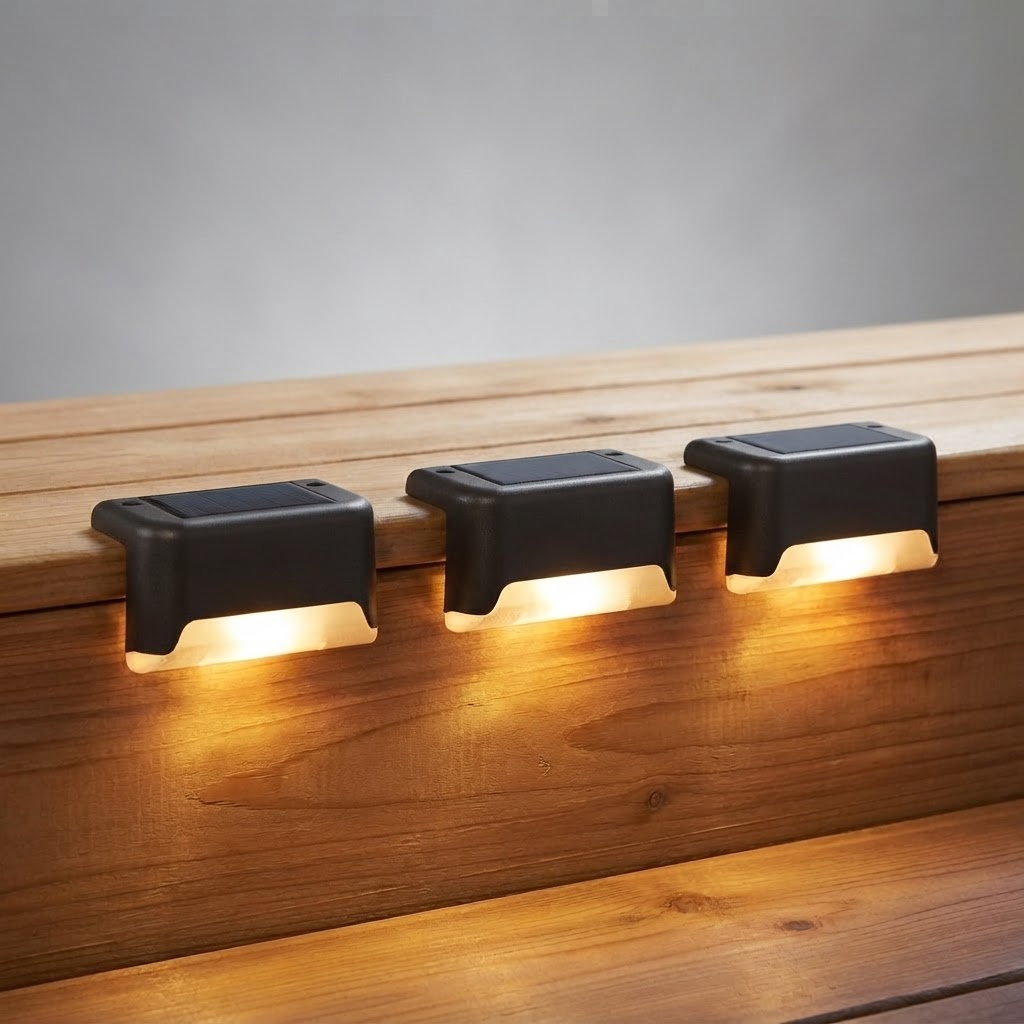
Hardwired lighting consumes grid electricity continuously throughout the night. Solar step lights operate at zero electricity cost by absorbing daylight. On sunny days, a 4-5 hour charge powers automatic warm white illumination for 6-8 hours from dusk until dawn.
Weatherproofing and Long-Term Durability
Quality solar fixtures made from tough ABS plastic resist deformation from rain, snow, and wind. While hardwired systems offer unlimited runtime, modern solar deck lights provide an eco-friendly, budget-smart safety solution without trenching or wire splicing.
Read the full guide: How to Light Outdoor Stairs Safely at Night: The Complete Guide