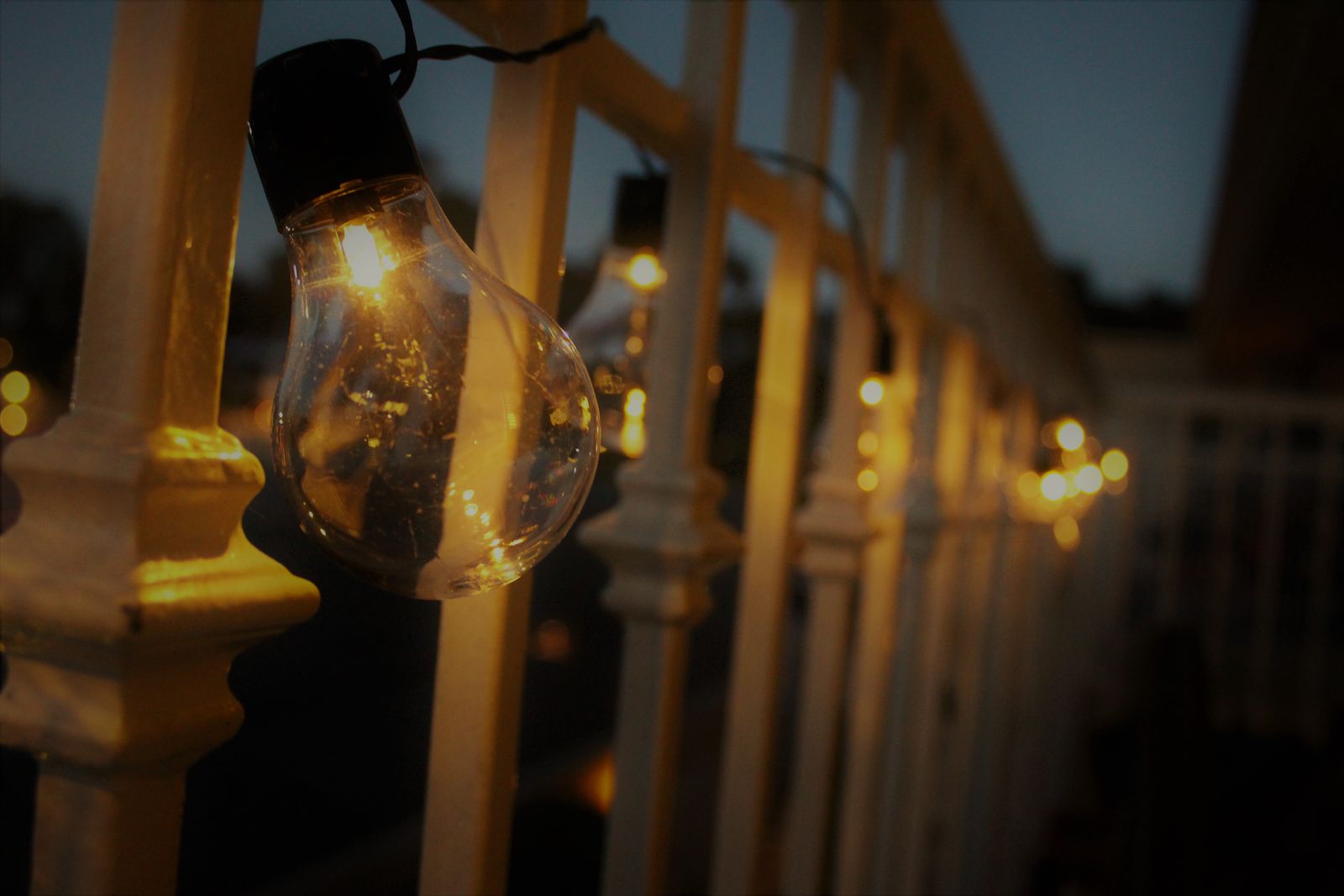
How to Position Solar Deck Lights for Maximum Sun Exposure and 4-Hour Rapid Charging
Position solar deck lights so the solar panel faces open sky long enough to finish a 4–5 hour charge; that is what makes a 6–8 hour night possible. Aim the lamp at the walking surface, not at eyes, and mount vertical or flat on whichever plane actually sees the sun. Deep eaves, north walls, and snow-covered faces are poor sites even if the stair needs light. Pull the insulator tab first, or placement will not matter.
Sun exposure is a plane problem, not a brand problem
Maximum sun exposure means the panel is not under a roof, not behind a thick post, and not aimed at the floor. A riser that gets afternoon light can charge on a vertical mount. A rail cap that sits in the open can charge flat. The same fixture fails two feet away under a covered patio soffit.
The product charge time is 4–5 hours on sunny days. This guide will not invent a faster cell. 'Rapid' in the title is a same-day full bank when the panel is honest with the sky — not a four-minute trick. Cloudy stretches take longer. Winter days may never stack a full 4–5 hours; expect a thinner 6–8 hour claim in those weeks.
Walk the deck at 10 a.m. and again at 3 p.m. before drilling. Note which faces stay bright. Those are the candidate planes for solar deck and stair lights.
How to aim the panel without ruining the glow
Photo by Erik Mclean on Pexels
The lamp still has a night job: warm white, not dazzling, on the tread. Do not rotate a unit into a neighbor's window just to catch one extra sun patch. Find a compromise plane — often a riser offset toward the open yard, or a flat mount on the sunny side of a rail.
Screws lock a good angle on wood. 3M adhesive locks a good angle on a clean, dry, smooth surface. Set the aim before the last snug or the adhesive cure. A crooked panel that stares at a rim joist will not finish the 4–5 hour charge.
If the only sunny spot is a few inches from the ideal lamp position, prefer the sun. A slightly shifted marker that stays on for 6–8 hours beats a perfectly centered dead puck.
Shade, snow, dirt, and other charge thieves
New leaves in May, a rolled-out awning in July, and snow in January all steal the same thing: hours on the cell. Wipe pollen. Brush snow. Tie back a vine. ABS can take rain, wind, and snow as weather; it cannot charge through a crust of ice on the face.
Porch lamps and landscape floods that stay on can confuse a dusk sensor and make a unit look like it 'will not charge' when it is simply staying off. Position solar deck lights away from a constant house flood, or the automatic dusk-to-dawn logic never sees night.
Do not stack extra fixtures in the one sunny corner and leave the shaded stair empty. Either find a sunnier mount on that stair or accept a different lighting method there. Placement cannot invent photons.
Placement choices that help or hurt a 4–5 hour charge
| Site | Charge outlook | Night result | | --- | --- | --- | | Open riser, panel to sky | Can finish 4–5 hours | 6–8 hour runtime in play | | Flat cap in full sun | Strong | Good if lamp is not a glare bomb | | Under a deep patio roof | Poor | Early cutoff or no glow | | North wall, dense shade | Poor | Do not count on full nights | | Snow sitting on the panel | Blocked until brushed | Short or zero runtime | | Next to a dusk flood lamp | Charge may be fine | Sensor may never see dark |
Stair layouts still have to see the sun
Safety wants a marker at each height change. Charging wants sky. On a typical outdoor stair, the riser face toward the yard is the overlap. Mount there when you can. Closed-riser stairs under a roof may only charge at the top newel or an open side; do not hide every panel on the darkest stringer.
Landings need a panel too if people pause there. A wide landing with one shaded corner and one sunny corner should use the sunny corner even if it is not geometric center.
After mounting, give a true 4–5 hour sun day, then check glow at dusk. Units that lag get a cleaner panel, a new angle, or a move — not a higher invented brightness spec.
A simple sun map before the first hole
Sketch the deck. Mark stairs. Circle faces that stay in sun for a long midday stretch. Those circles are mounts. X out soffits and the underside of benches. Carry the sketch while you hold a fixture against the wood and look at the panel, not only at the lamp.
Pull tabs on the ground, charge on a sunny tray, then transfer to the mapped planes. That order proves the product before you commit adhesive.
Revisit the map after the first windy week. A unit that rotated on loose adhesive is now charging a board edge. Press or screw it back to the sky.
Sun-first placement checklist
Photo by Jonathan Borba on Pexels
- [ ] Walk the deck at mid-morning and mid-afternoon.
- [ ] Pick vertical or flat by which plane sees open sky.
- [ ] Keep panels out of eaves, dense shade, and snow crusts.
- [ ] Aim lamps at treads, not faces, after the sun angle is set.
- [ ] Stay clear of always-on porch floods that fool dusk sensors.
- [ ] Pull tabs and finish a 4–5 hour charge before night one.
- [ ] Wipe panels on a schedule so the charge window stays real.
Frequently asked questions
Is a 4-hour charge really enough?
The specified full charge on sunny days is 4–5 hours. That bank is what supports 6–8 hours at night. Shade makes both numbers slip.
Can a vertical riser mount charge as well as a flat cap?
Yes when the vertical face sees the sun. A flat cap under a roof is the weaker site.
What if the stairs are fully covered?
Solar deck lights will not finish a honest 4–5 hour charge there. Mount on an open side or use a different method for that flight.
Does winter placement change?
The sun sits lower. Favor faces that still catch low light, and keep snow off the panel. Runtime may be shorter on short days.
Should every leftover unit go on the sunniest rail?
No. Even coverage on charging planes beats a bright cluster and a dark stair.
Related reading
Layout, setup, and railing FAQs help once the sun map exists.
- glare-free solar deck stair lights layout guide
- setup and pull-tab troubleshooting guide for solar deck lights
- FAQ on solar deck railing and step lighting placement
- solar stair light setup, charging, and mounting FAQ
What to do next
Walk the deck while the sun is up and mark every stair or rail face that stays bright. Pull the insulator tabs, charge those panels for 4–5 hours in open sky, then mount vertical or flat so the lamp still hits the tread. Brush anything that covers a panel before you blame the night.
Cover photo by Humphrey Jones-Behan on Pexels.