How Do Automatic Dusk-to-Dawn Solar Deck Lights Work?
Automatic dusk-to-dawn solar deck lights work without a switch. Pull the insulator tab, face the panel at the sun for 4-5 hours, and the fixture stores that charge. When the sensor sees dusk, the warm white lamp turns on; when it sees dawn, it turns off. A typical night run is 6-8 hours after a full charge. The unit does not connect to household power. If the tab stays in, or the panel sits in shade, nothing about the automatic mode will appear to work.
The three parts: panel, stored charge, and a darkness sensor
A solar deck light is a small outdoor system in one ABS housing. The panel collects sun. The stored charge runs the lamp after dark. A sensor reads ambient light so the lamp does not need a wall switch. That is the whole automatic work mode.
There is no published battery size on this product, so this page will not invent one. The working numbers that are listed are charge time and runtime: 4-5 hours of sun in, 6-8 hours of night out on a typical day. Cloudy stretches and dirty panels shrink the bank. That is physics, not a broken switch.
Warm white that is not dazzling is the lamp color. Automatic mode does not make the light a flood. It only decides when the marker is on.
Why the insulator tab exists
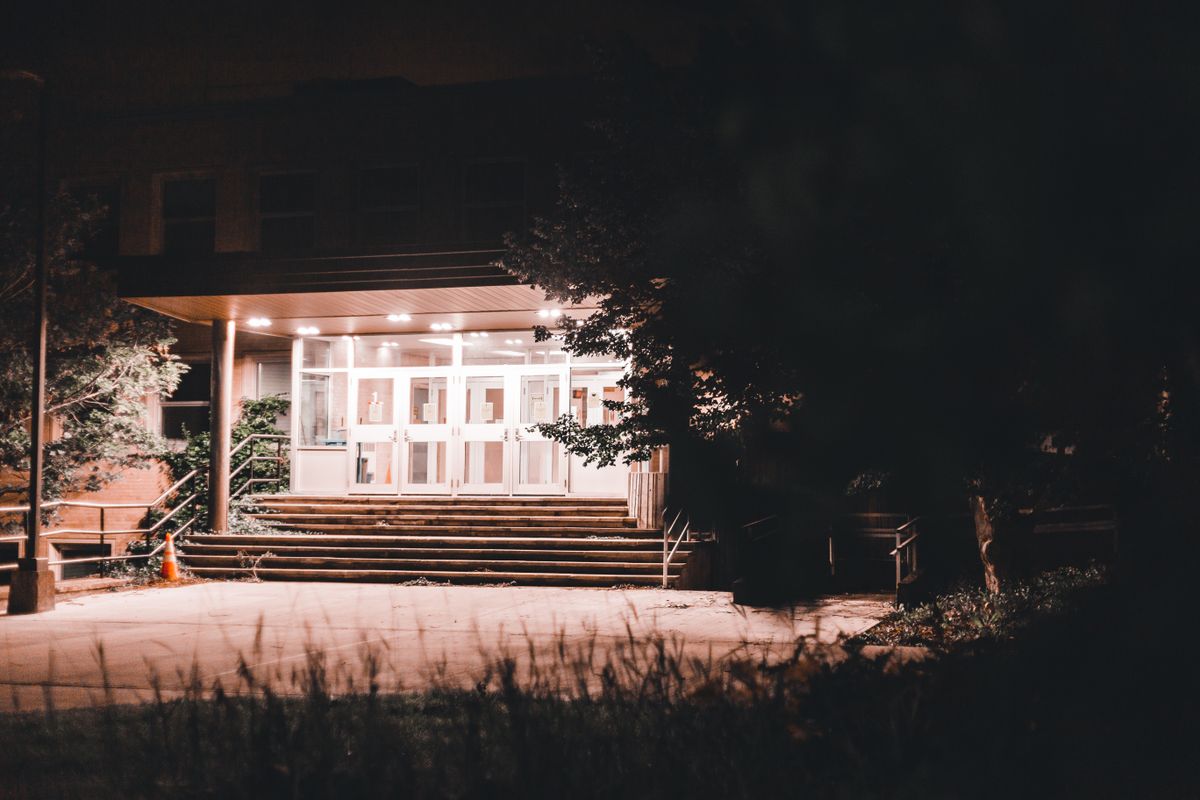
Photo by Erik Mclean on Pexels
During shipping the product can sit in dark trucks and warehouses. A darkness sensor would try to run the lamp and drain the leftover charge. The transparent plastic strip on the back isolates the circuit so the unit arrives off. Remove that strip to use it normally.
After the tab is out, the first job is still a charge, not a night test on an empty cell. Face the panel toward the sun for 4-5 hours. Then check the glow in a dark environment. If it is on, the product can be used normally. If it is not, the tab, the charge, or the test location is next.
Mounting can be screws or 3M adhesive, vertical or flat. Hardware does not create automatic mode. The tab and the sun do.
What the sensor actually 'sees' at dusk
The sensor is watching light level, not a clock. Porch floods, a nearby window, or a lamp aimed at its own face can look like daytime. Then the stair stays dark while the sensor waits for a dusk that never arrives. Shade the sensor from stray light, or move the fixture so the panel sees sky and the sensor sees real evening.
Dawn is the reverse. Sky glow turns the lamp off so it can charge again. People who want a manual override will not find one. These solar stair lights have no switch. That is the convenience and the constraint.
Runtime of 6-8 hours may end before a very late walk after a weak charge day. The marker is not a house circuit. Wipe the panel. Give it sun. Do not hunt a button that was never designed in.
Automatic solar deck lights versus a switched outdoor lamp
| Part of the night | Automatic solar deck light | Manual switched lamp | | --- | --- | --- | | How it starts | Sensor sees dusk | Someone hits a switch | | How it stops | Sensor sees dawn, or charge ends | Someone hits a switch, or a timer | | First-day ritual | Pull tab, 4-5 hour sun charge | Circuit live, switch on | | Household power | None | On the meter | | Forgotten switch | Not possible; there is none | Stairs stay black | | Stray porch flood | Can fake daytime and hold the lamp off | Unrelated unless on the same circuit |
Where the system sits on stairs, paths, and walls
Listed uses include stairs, paths, gardens, decks, doors, yards, driveways, garages, and outdoor walls. In every spot the same loop applies: sun on the panel, darkness at the sensor, warm white on the walking surface. A mount in deep shade breaks the loop. ABS plastic handles rain, snow, and wind; snow on the panel is still a charging block. After mounting, a closet test or a true dusk walk tells more than a noonday stare at a lamp that is supposed to be off.
How-it-works checklist
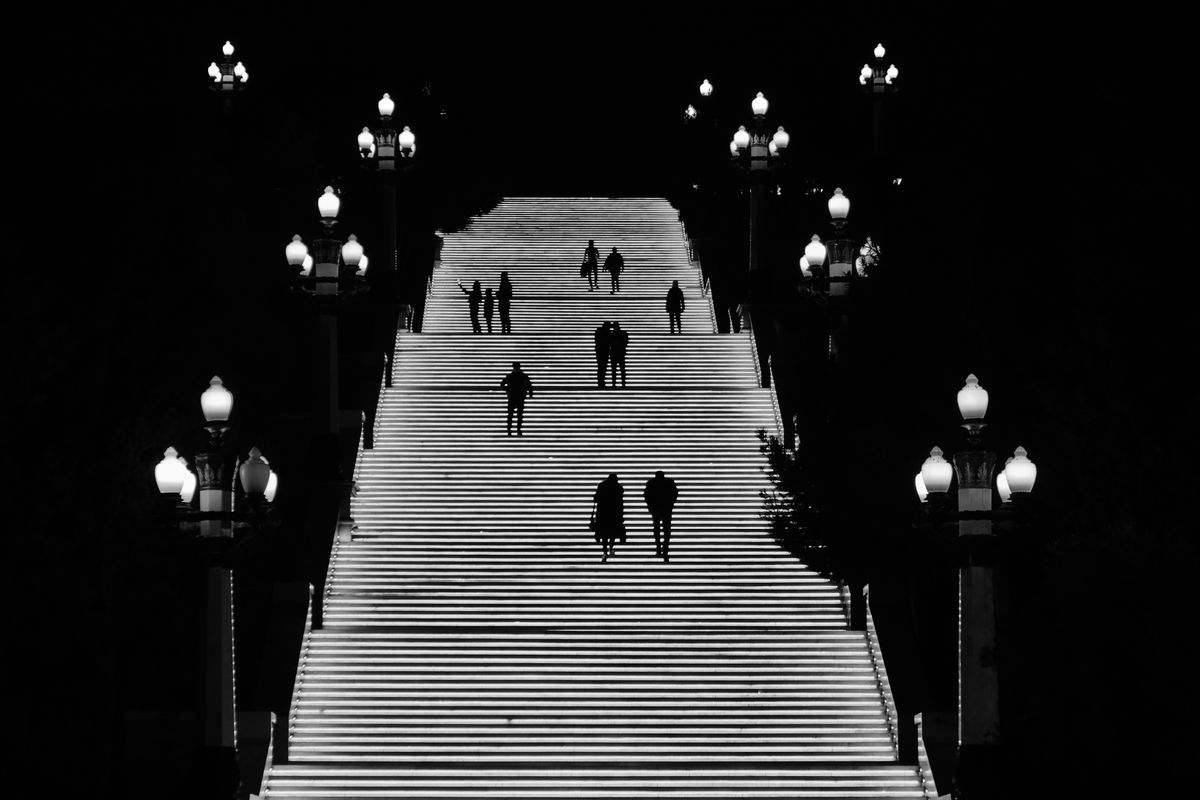
Photo by Aleksandr Firstov on Pexels
- Pull the transparent insulator tab on the back.
- Face the panel at the sun for 4-5 hours.
- Confirm glow in a dark environment before final placement.
- Mount with screws or 3M adhesive where the panel still sees sky.
- Keep porch floods off the sensor so dusk can register.
- Expect 6-8 hours of night run after a full charge, less after gray days.
- Wipe snow and pollen off the panel; do not hunt a switch.
Frequently asked questions
Do automatic solar deck lights have a switch?
No. Pull the insulator tab to use them. They turn on at dusk and off at dawn.
Why must the first charge be 4-5 hours?
Shipping can leave the cell low. The listed first charge in sun restocks the bank that supports 6-8 hours at night.
Can the lights be tested at noon?
Not as a night-on test. Cover them or move them into a dark environment after charging. In daylight the sensor should keep the lamp off.
What makes a unit stay off after dark?
Tab still in, weak charge, dirty panel, or a nearby flood that looks like daytime to the sensor.
Does automatic mode use household power at dawn?
No. Dawn only tells the lamp to stop. Charging is from the solar panel, not from the house.
Related reading
These published setup pages show the tab-and-charge ritual that makes automatic mode visible.
- how to activate switchless solar stair lights
- initial setup and pull-tab troubleshooting
- solar stair light setup, charging, and mounting FAQ
- how to position solar deck lights for sun exposure
What to do next
Pull the insulator tab, charge the panel 4-5 hours in open sun, and check the warm white glow in a dark space. Mount where the panel still sees sky and the sensor can see real dusk, not a porch flood. Walk the stairs after evening falls. Automatic dusk-to-dawn is working when the marker is on without a switch and off again by morning.
Cover photo by William Jacobs on Pexels.