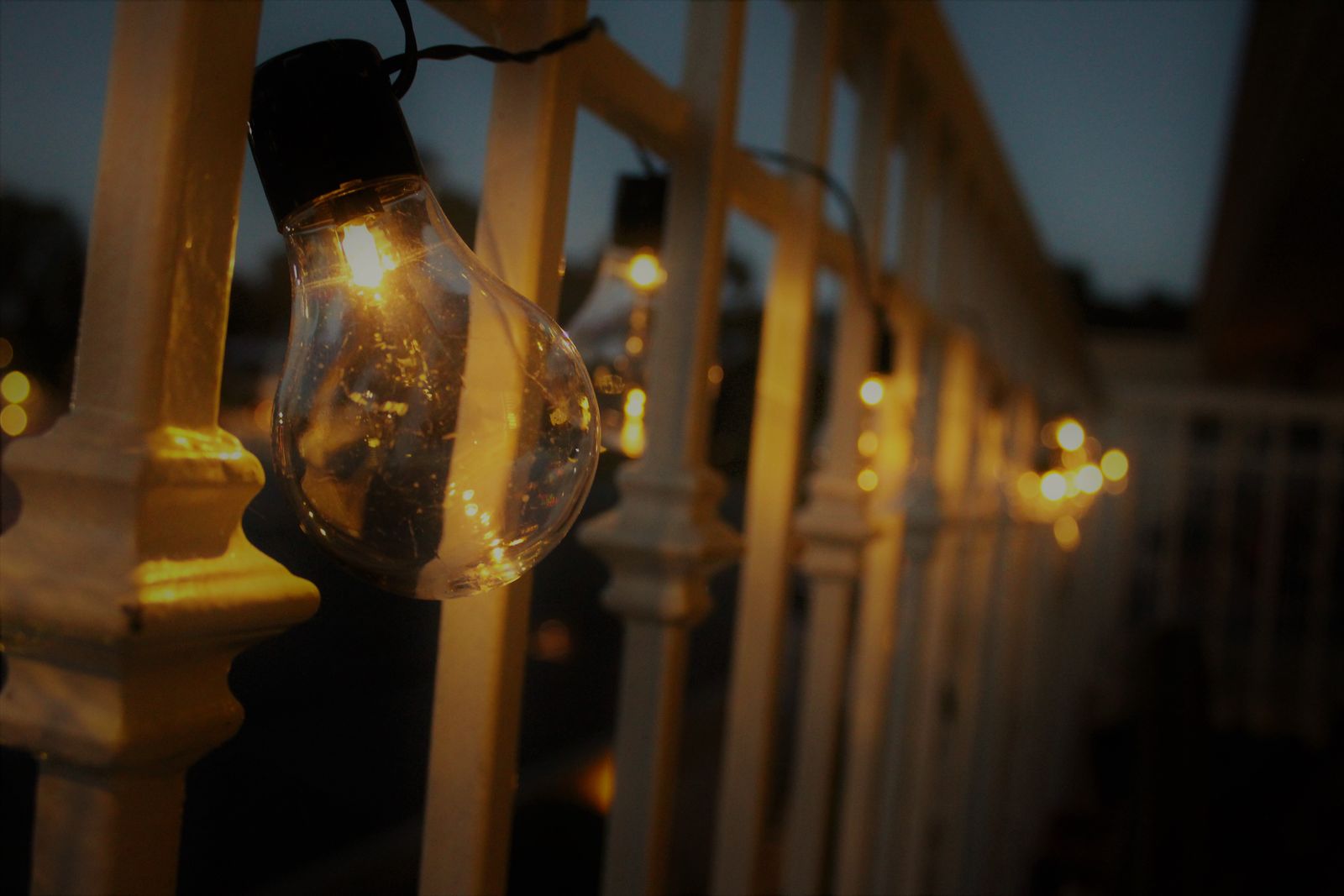
How to Layout Solar Deck Lights for Maximum Evening Stair Safety
Layout solar deck lights for evening stair safety by putting a warm white marker on every height change, not by blasting the top step. Aim the glow at treads and landings so the lamp is not dazzling. Keep each panel on a plane that can take a 4-5 hour sun charge so 6-8 hour nights cover the last trip down. Automatic dusk-to-dawn is the schedule; the layout is which planes actually get a fixture.
Safety layout starts at the height change
A foot is most likely to miss a stair when the height changes and the tread is black. That is the riser face, the nosing, and the landing lip, not the barbecue rail. Walk the route after dark with a phone light off and note every place a heel drops. Those spots are the layout, not a symmetric pattern from a catalog.
Space along a long flight so the next tread is obvious before the current foot lands. Clustering three lamps at the top and leaving the lower third dark is a common miss. Maximum evening safety is evenness.
Paths that meet the stair need a marker too. A lit flight that dumps into an unlit deck edge is still a trip. The product is listed for stairs, paths, gardens, and decks; the safety layout follows the walking line, not the prettiest post.
Warm white has to hit the tread, not the face
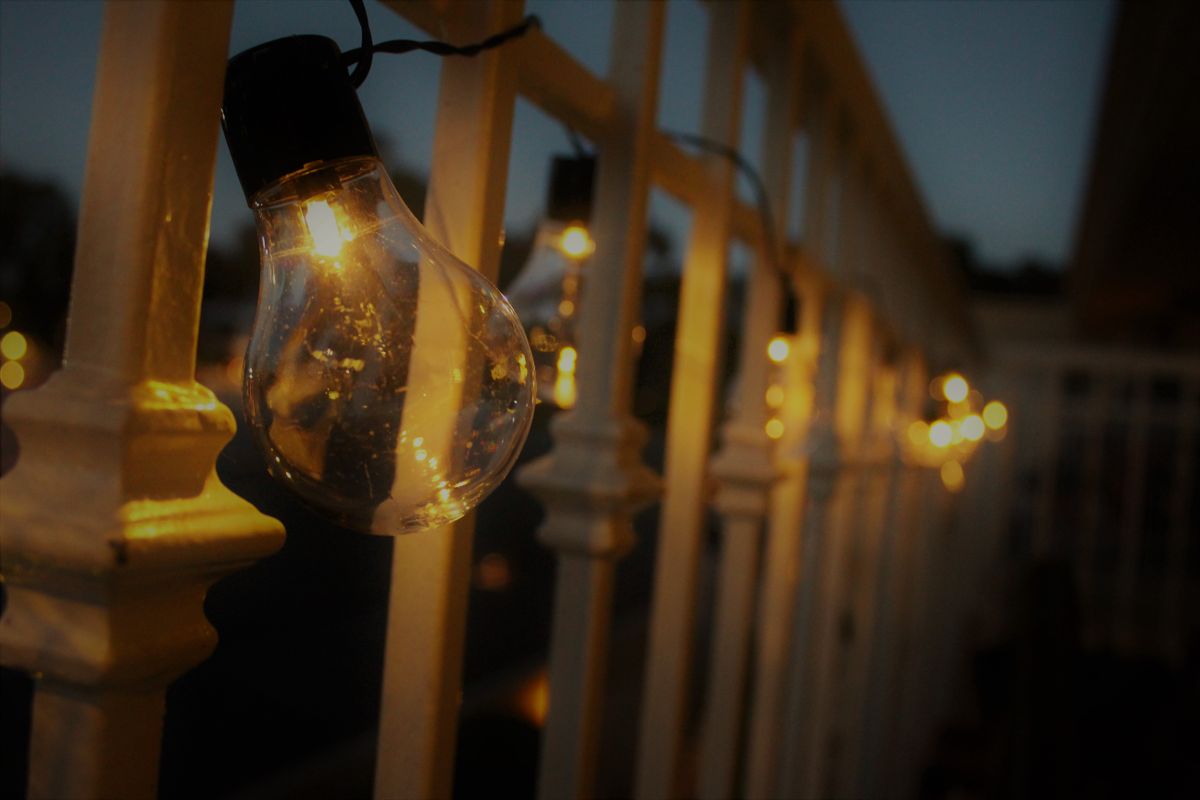
Photo by Humphrey Jones-Behan on Pexels
Warm white without dazzling is the specified color because it is easier on sight during a slow stroll. Layout still fails if the lamp aims up the flight into eyes. Vertical mounts on risers often hide the body below the tread line. Flat mounts work when the glow washes wood or composite instead of acting like a ceiling can.
Stand on the stair below before the last screw snugs or the 3M pad cures. If the lamp is a spotlight, tilt or shift it. Glare makes people look away from the very nosing the layout was meant to show.
Neighbors and indoor windows sit in the same beam path. A safety layout that washes a bedroom is a bad aim, not extra safety. Keep the job on the walking surface.
Stair-safety layout choices versus common misses
| Layout choice | Evening safety result | Use it | | --- | --- | --- | | Marker on each height change | Tread readable before the foot drops | Yes | | One lamp at the top only | Mid-stair stays black | No | | Warm white aimed at the nosing | Eyes relaxed, edge visible | Yes | | Lamp aimed at approaching faces | Squinting, missed tread | Re-aim | | Panel in deep shade | Dead or short 6-8 hour night | Move to sky | | Auto dusk-to-dawn on the route | Lights on when people actually walk | Yes; there is no switch |
Sun and dusk-to-dawn are part of the safety map
A beautiful riser layout that never charges is a dark stair at 9 p.m. Site every panel for 4-5 hours of sun, vertical or flat, whichever plane sees sky. If a north riser is hopeless, mount the unit on a sunny side cap that still washes the tread, or accept that this step needs a different plane.
These solar stair lights have no switch. Pull the insulator tab, charge, and they turn on at dusk and off at dawn. Layout safety includes not parking a unit in porch wash so bright that dusk never arrives for the sensor.
After the first night, walk the full route. Add a marker where a tread disappeared. Do not raise glare elsewhere to compensate. Leftover units belong on the next dark nosing, not stacked on the brightest rail.
Evening stair-safety layout checklist
Photo by Braeson Holland on Pexels
- Walk the dark route and mark every height change, including landings.
- Place one warm white marker per marked plane, not a cluster at the top.
- Aim glow at treads; stand below to catch glare before the mount sets.
- Give every panel a 4-5 hour sun window.
- Keep units out of bright porch wash so dusk-to-dawn can trigger.
- Pull insulator tabs before the first charge night.
- Re-walk at true dusk and fill any remaining black tread.
Frequently asked questions
Is one solar lamp at the top of the stairs enough?
No. The middle and bottom height changes stay black. Evening safety needs a marker where the foot actually drops.
Should lights go on risers or on the rail?
Put them where the walking surface is. Risers mark treads. Rails help edges. A rail-only layout can miss the nosing.
Does warm white help more than a bright cool flood?
For family strolling, yes. Warm white that is not dazzling keeps eyes on the tread. A flood at the top can hide the rest of the flight.
How does charging affect safety layout?
A unit that cannot take a 4-5 hour sun charge will not hold 6-8 hours. That hole in the map is a dark stair, not a styling choice.
Do screws or 3M adhesive change the layout?
No. Both can mount vertical or flat. Choose hardware for the surface. Choose positions for the feet.
Related reading
These published guides cover glare-free placement, outdoor step spots, and stair lighting so this page can stay on evening safety layout.
- solar deck stair lights layout for glare-free safety
- how to light outdoor stairs safely at night
- why warm white light matters for nighttime stair safety
- strategic placement spots for solar outdoor step lights
What to do next
Walk the stairs after dark and tape every height change that disappears. The next day, pull insulator tabs, charge panels 4-5 hours in open sun, and mount warm white solar deck lights on those planes so the glow hits treads, not faces. Walk the same route at dusk and fill any tread that is still black.
Cover photo by Humphrey Jones-Behan on Pexels.