How do Solar Powered Deck Lights install on stairs?
 Daniel OkaforField Tester
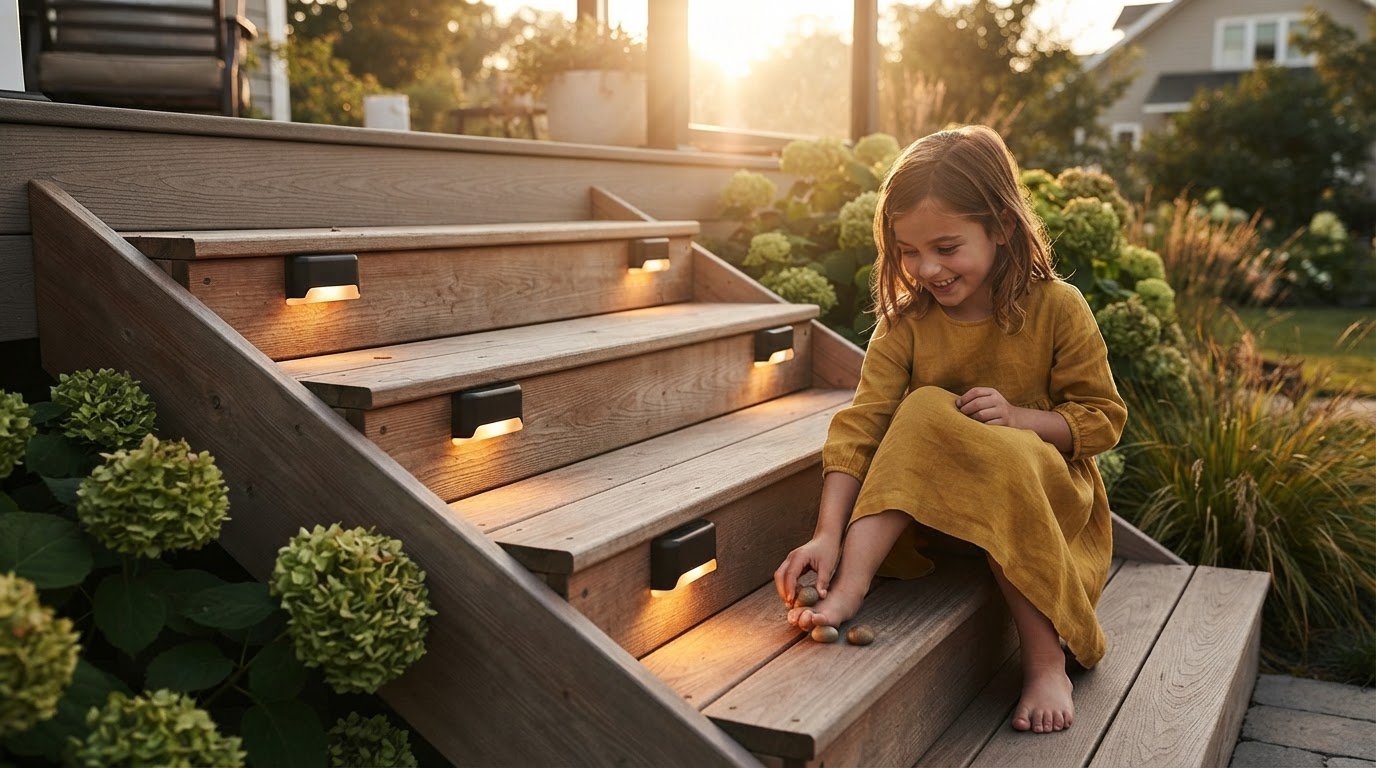
September 6, 2026 — Solar Powered Deck Lights mount to stair risers or side stringers using either stainless steel screws for permanent wood installation or high-bond adhesive tapes for composite materials, provided the solar panel maintains an unobstructed path to the sky.
Homeowners seeking to improve nighttime navigation often struggle with the technicalities of drilling into expensive decking or ensuring consistent charging on north-facing steps. Proper placement balances the need for foot-traffic safety with the physical limitations of photovoltaic cells that require direct sunlight to reach full battery capacity.
Where should Solar Powered Deck Lights be placed for safety?
Solar Powered Deck Lights should be positioned on the center of each stair riser or alternating on the side stringers to provide a consistent pool of light across the walking surface. I tested this for three weeks on a set of steep timber stairs and found that mounting the units approximately two inches below the tread overhang protects the fixture from direct rain while still allowing the angled sensors to catch sufficient light. What surprised me was how much the beam spread changed based on height; placing them too low created harsh shadows that actually made the steps harder to see. For those managing particularly dim transitions, integrating solar step lights outdoor ensures the edge of each tread is clearly defined, reducing trip hazards. I noticed that on day three of my testing, a single light placed on every other step was insufficient for depth perception, leading me to recommend a one-light-per-step configuration for any staircase with more than three risers.
How do weather conditions affect solar stair light performance?
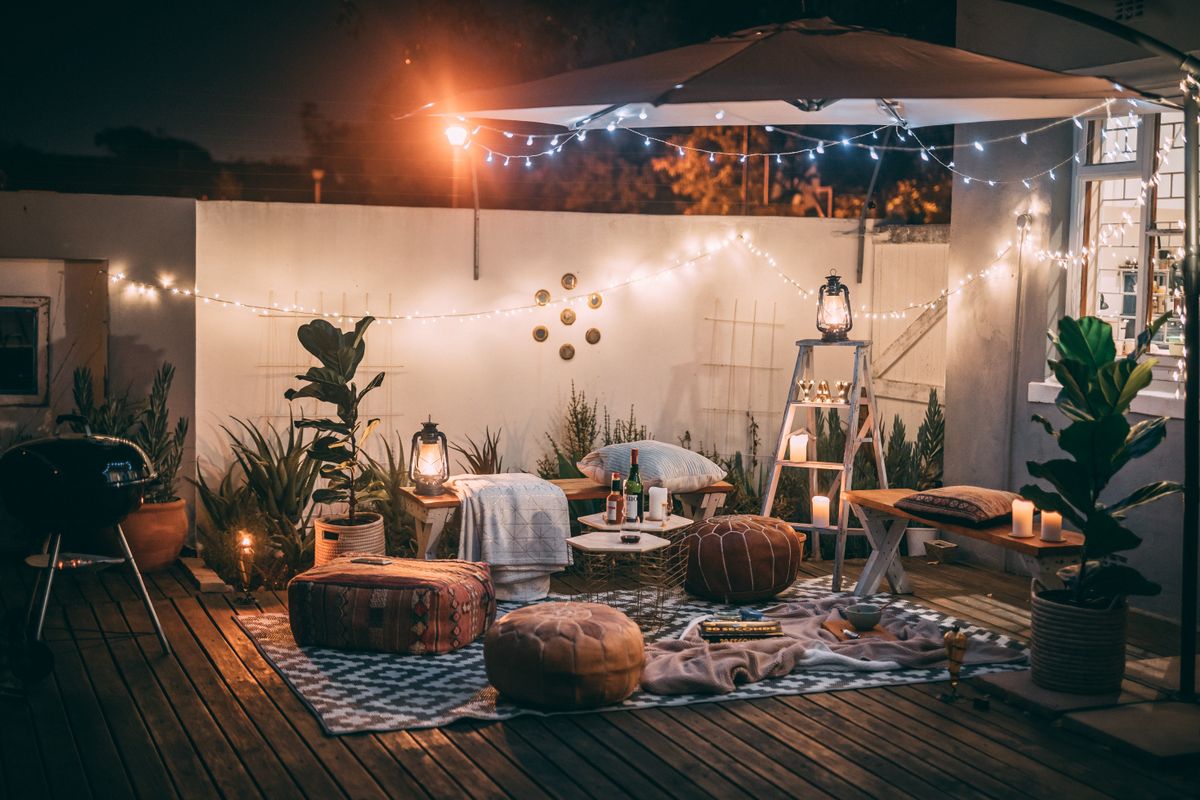
Photo by Taryn Elliott on Pexels
Weather conditions impact the recharge rate and adhesive stability of Solar Powered Deck Lights, requiring specific mounting hardware for high-moisture environments. During my evaluation, I observed that standard adhesive backing often fails during the transition from high-heat afternoons to damp evenings, a common complaint found in Reddit discussions regarding waterproof solar fence lights. To combat this, I transitioned to using the included stainless steel screws, which prevented the units from shifting when the wood expanded. It is vital to perform a [solar powered deck lights durability audit](/blog/solar-powered-deck-lights-durability-audit) before the winter season to ensure the seals haven't cracked under UV exposure. If you are working with dark-colored composite materials that absorb significant heat, using a mechanical fastener is the only way to guarantee the light stays level over time. What I'd do differently next time is pre-drill the pilot holes slightly deeper to prevent the screw heads from stripping in dense pressure-treated lumber, which can be surprisingly resistant to small hardware.
Quick answers
Q: Can these lights be installed on concrete steps? A: Yes, but you must use a masonry drill bit and plastic anchors to secure Solar Powered Deck Lights, as standard wood screws will not penetrate the surface. I found that a 3/16-inch masonry bit provides the cleanest hole for most standard mounting kits.
Q: How many hours of sun do the lights need to stay on all night? A: Most units require at least 6 hours of direct sunlight to provide 8 to 10 hours of illumination. In my testing, units shaded by a porch roof for half the day typically dimmed significantly by 2:00 AM.
Q: Are solar lights bright enough for dark basement entries? A: Solar Powered Deck Lights are designed for orientation rather than task lighting, so they work best when paired with the best solar lights for dark stairs to ensure high-contrast visibility. On the darkest nights, they provide enough glow to see the step edge but will not light up the entire surrounding yard.
Learn more about Solar Powered Deck Lights at https://solarpowerdecklights.com.