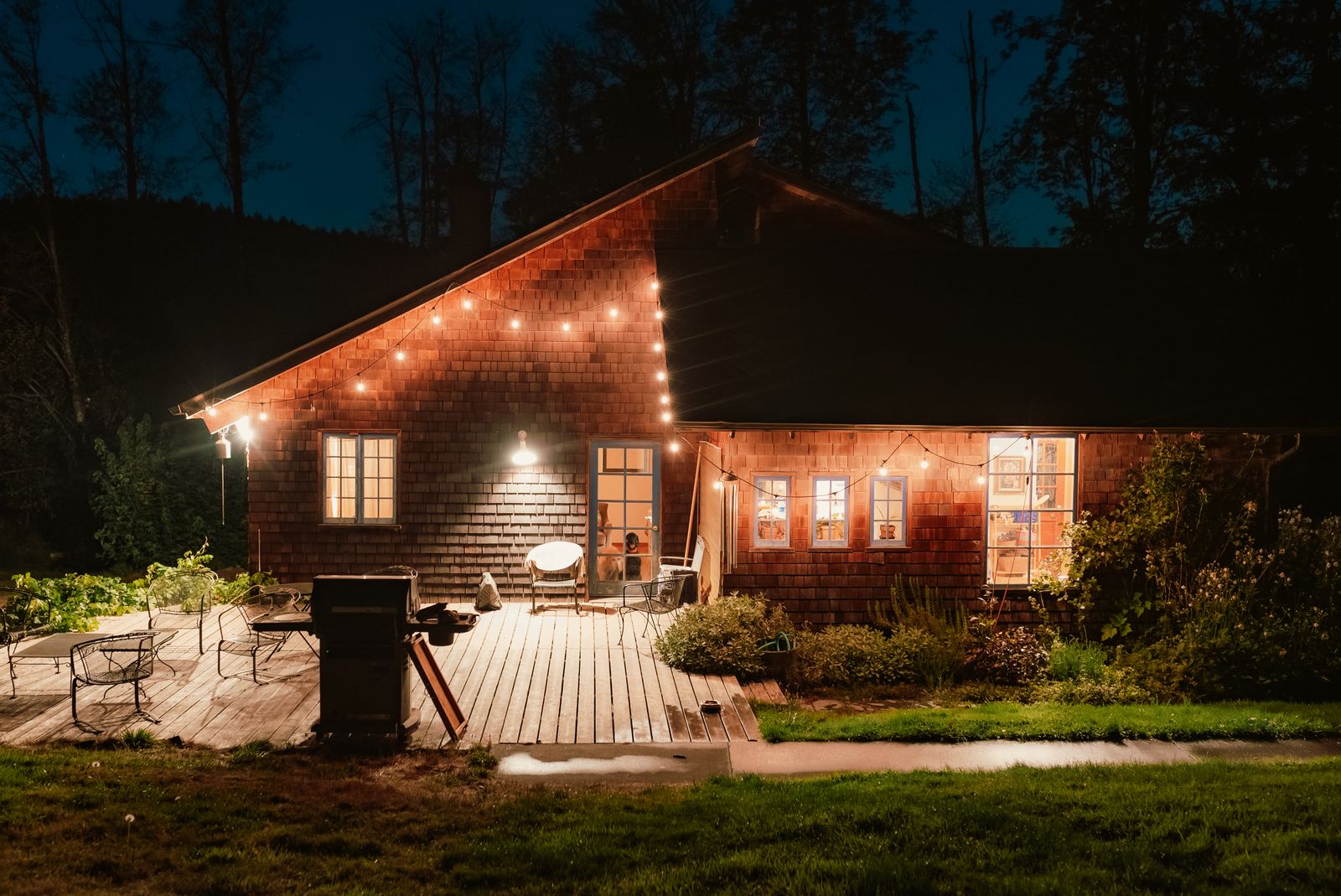
Dusk-to-Dawn Solar Deck Lights vs. Manual Outdoor Lights: Convenience & Safety Compared
Dusk-to-dawn solar deck lights are more convenient and usually safer on stairs and paths because they have no switch: pull the insulator tab, charge 4-5 hours, and they turn on at dusk and off at dawn for 6-8 hours. Manual outdoor lights are only on when someone remembers the wall plate or timer. That is fine for a porch party and a miss for a late trip down unlit treads. Solar draws $0 from the house. Manual stays on a circuit that can run past a weak solar night, at the cost of a habit people skip.
Convenience is who has to remember the light
Manual outdoor lighting puts the memory load on whoever reaches the door first. Roommates, guests, and kids do not share that habit. The stair is then a black set of risers with a flood that is still off. Automatic solar removes that step. The sensor sees dusk. The marker comes on.
There is a convenience cost on the solar side: the panel must see 4-5 hours of sun, and snow or pollen must be wiped. That is a weekly wipe, not a nightly switch. Most households will keep a wipe more reliably than they will hit a porch plate at 10 p.m.
No switch also means no accidental all-day-on waste from a manual lamp left up. Dawn turns solar off so the next charge can start.
Safety is the stair that is on when people actually walk
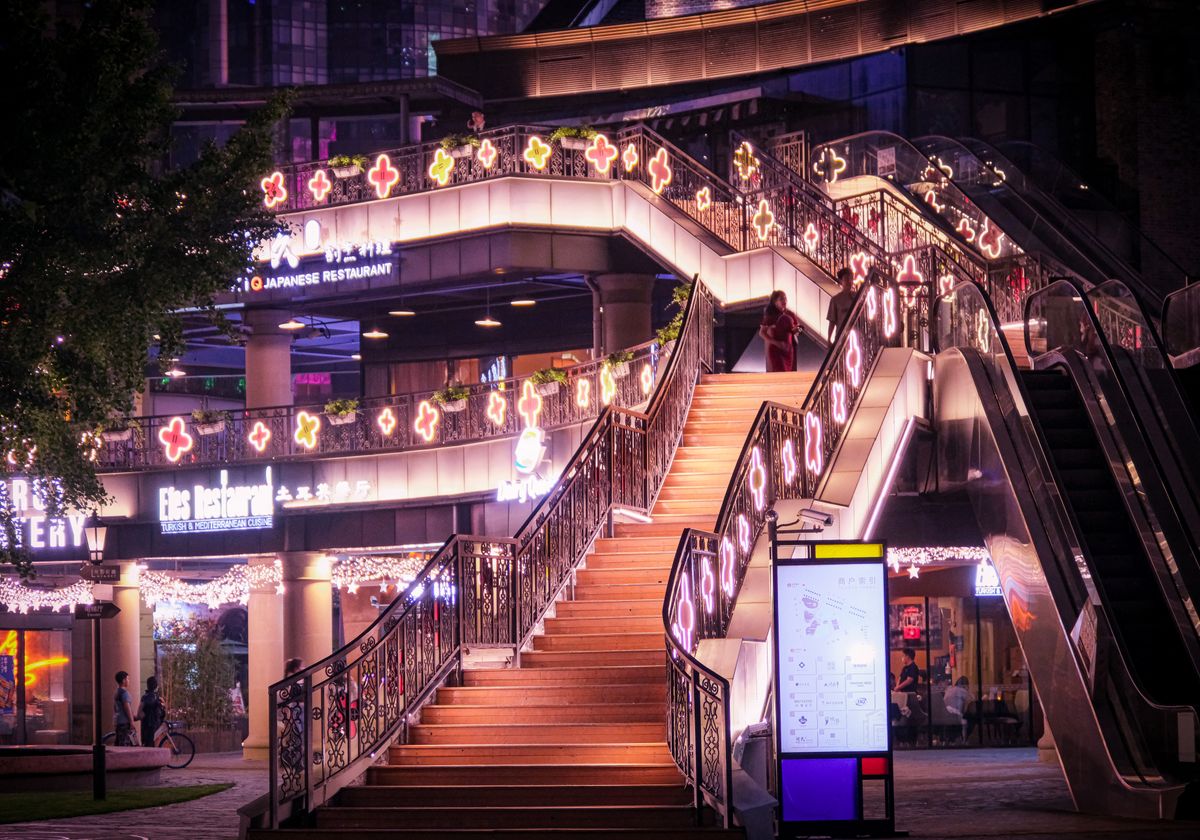
Night strolling is safer when each height change is marked in warm white that is not dazzling. A manual flood at the top can glare and still leave mid-stair black. Automatic markers on each riser, path edge, or rail do the opposite: even, soft, on by themselves.
Guests prove the comparison. They will not hunt a switch in an unfamiliar yard. Dusk-to-dawn solar is already working. Manual lighting that was never turned on is a courtesy failure and a trip risk.
ABS housings stay out in rain, snow, and wind so the automatic system is not pulled indoors every storm. A manual fixture on a GFCI can still go dark after a wet weekend if the circuit trips and nobody resets it.
Where manual still wins, and how to mix without glare
A wired manual or switched circuit can run past midnight after three gray days, when a solar bank may stop at 6-8 hours or less. If the household walks the stairs at 2 a.m. on a winter night, that is the wired case. It is not the typical dinner-to-bed path.
Mixing is allowed. Keep a working porch switch for parties. Let solar handle the stair, the side path, and the gate. Do not aim the manual flood down the same treads the solar markers already light; the flood will glare and the markers will look weak.
Install for solar remains screws or 3M adhesive, vertical or flat, no electrician. Manual outdoor lighting still needs a live circuit. Convenience includes that labor gap.
Convenience and safety: automatic solar versus manual outdoor lights
| Question | Dusk-to-dawn solar | Manual outdoor light | | --- | --- | --- | | Who turns it on | The sensor at dusk | Whoever remembers the switch | | Guest walking a dark path | Already on | Dark unless someone hit the plate | | Household power | $0 for these fixtures | On the meter while lit | | Late night after gray weather | 6-8 hours typical, then done | Can stay on if the circuit is live | | Glare risk | Warm white markers if aimed well | Floods often punch at faces | | First setup | Pull tab, 4-5 hour sun charge | Wire or plug, then a switch habit |
Convenience and safety decision checklist
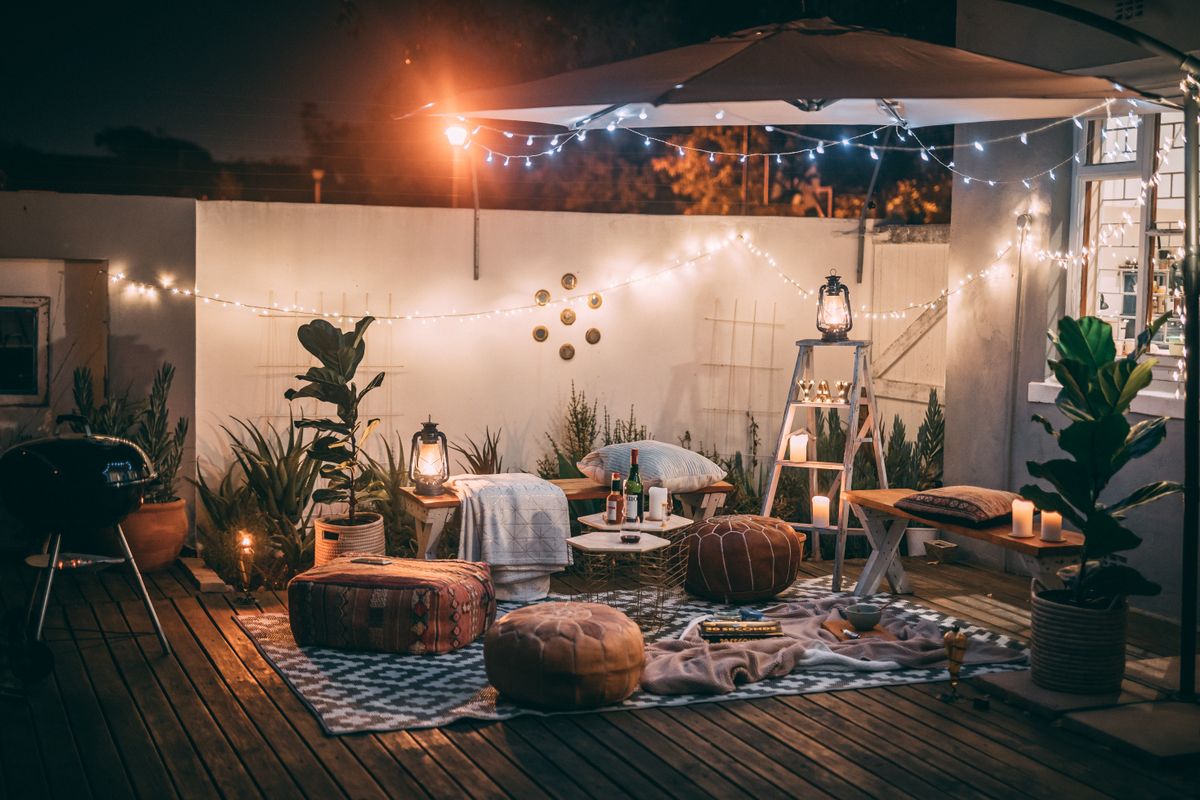
Photo by Taryn Elliott on Pexels
- Ask who actually hits the outdoor switch on a weeknight.
- Count guests and kids who will not find that switch.
- Put automatic solar on stairs and paths that must be on at dusk.
- Leave a working manual porch lamp for parties if it already exists.
- Site solar panels for 4-5 hours of sun so 6-8 hour nights are real.
- Aim warm white at treads; do not wash the same run with a flood.
- Pull insulator tabs on day one so automatic mode can start.
Frequently asked questions
Is dusk-to-dawn more convenient than a timer?
Yes for this product. There is no switch and no timer to program. Pull the tab, charge, and dusk starts the lamp.
Are manual lights safer because they are brighter?
Not on stairs. Glare hides treads. Warm white markers that are actually on are safer than a harsh flood that is off or in someone's eyes.
What if someone wants the solar lights off for a night?
These units have no switch. Covering the panel after dusk is not a normal control. Place them where automatic on is the desired habit.
Do solar lights save money versus leaving a manual lamp on?
They draw $0 from the house. Manual lamps add nightly watts. The larger convenience is skipped wiring, not a huge utility swing.
Can both types share one deck?
Yes. Use solar on the stairs and path. Keep a manual porch lamp if it already works. Do not aim both at the same faces.
Related reading
These published comparisons and setup notes separate wiring from the switch-habit problem on this page.
- solar deck lights versus hardwired step lighting
- how to activate switchless solar stair lights
- solar powered deck lights as a stair safety solution
- solar deck lighting cost-efficiency guide
What to do next
Notice whether the outdoor switch is actually hit on a normal weeknight. If the stairs or path go dark when it is not, pull insulator tabs on solar deck lights, charge 4-5 hours in sun, and mount warm white markers on each height change. Leave a working porch lamp for parties if it already exists. Convenience is the light that is on at dusk without a memory. Safety is that same light on the tread, not in a face.